
REIMAGINING NAPA VALLEY AT FAVIA.
A new architectural vision takes
shape in the heart of Oakville.
Long before Napa Valley was renowned for its wines, vineyard landscapes, celebrated restaurants, and five-star hospitality, it was a rural, close-knit agricultural community. Back then, Napa wasn't fancy or formal, but a valley stewarded by farmers who took pride in working the land. It was quiet, bucolic, and undiscovered.
This was the Napa that Andy and Annie first fell in love with. Today, that same farming community and sturdy spirit still exists, waiting to be discovered by those who seek it.
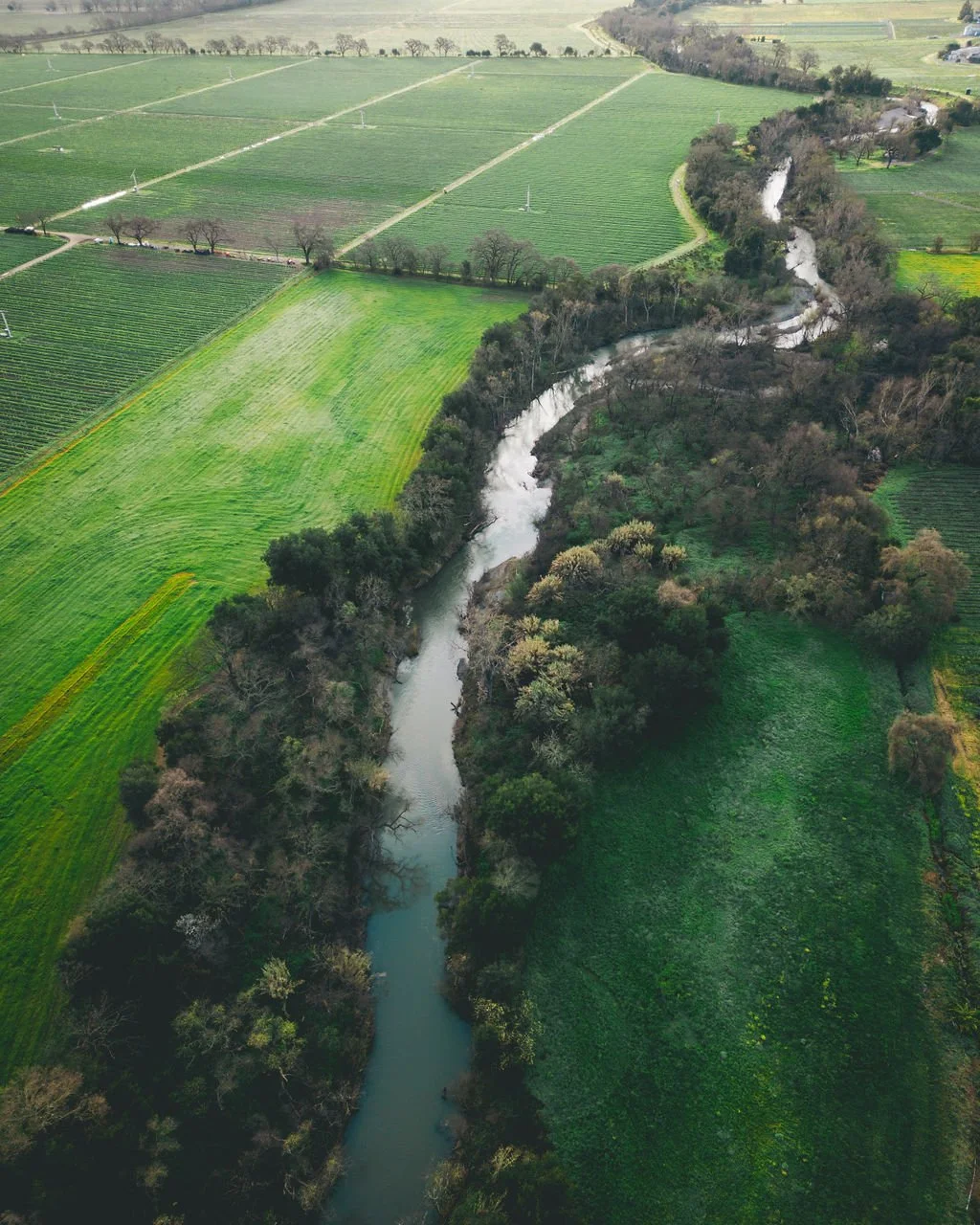
When they began planting the Oakville site, they knew it was destined to be a great vineyard. The 86-acre parcel lies in the heart of Oakville, just steps from where the Napa wine industry was born and where the most celebrated wines are still made today. Over the past five years of carefully replanting the vineyard, walking the property daily, and getting to know the land, they realized this site had a higher purpose.
This is not simply a new winery and vineyard; it is a chance to rekindle the true Napa values: community, agriculture, and connection with nature. More than two decades after producing their first bottles, Favia will continue its vision:
In collaboration with nature, with reverence for craft, in honor of place.
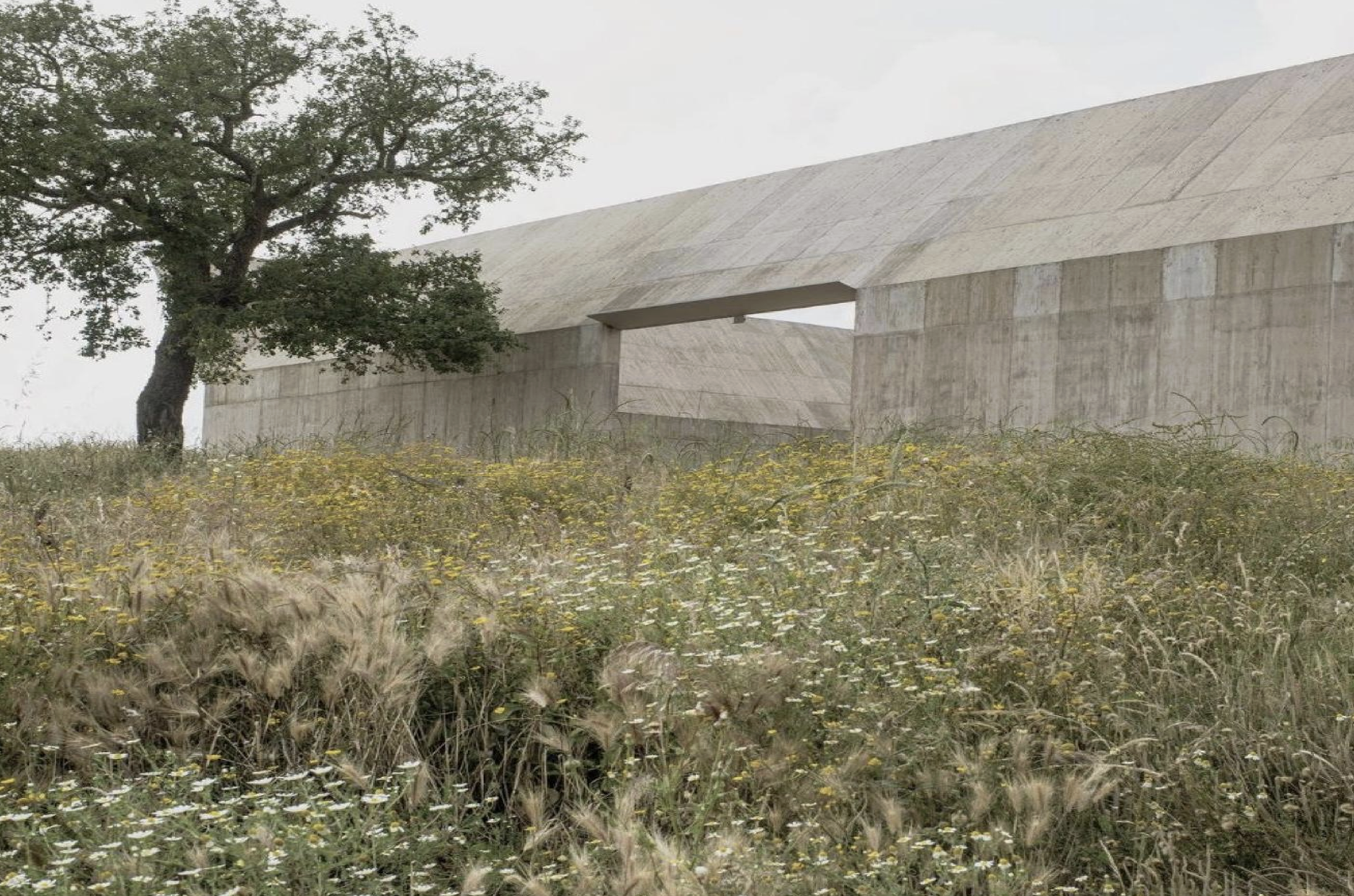
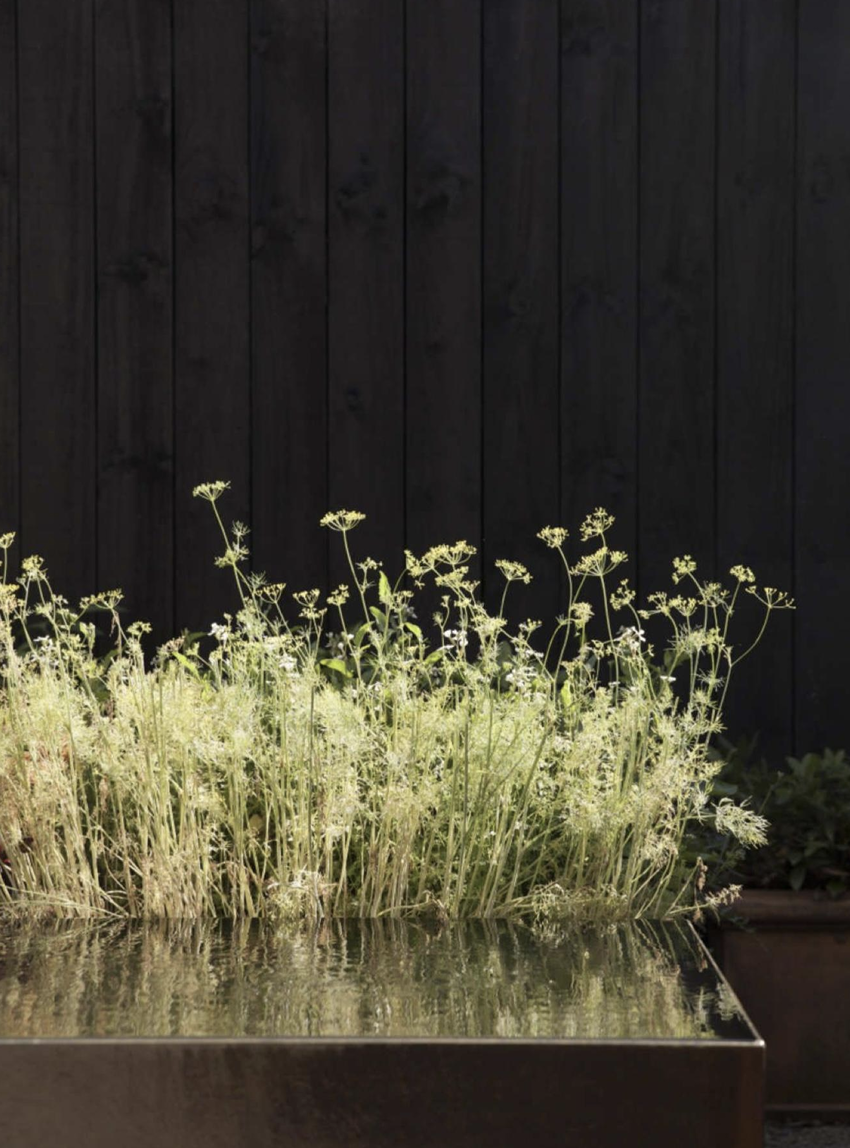

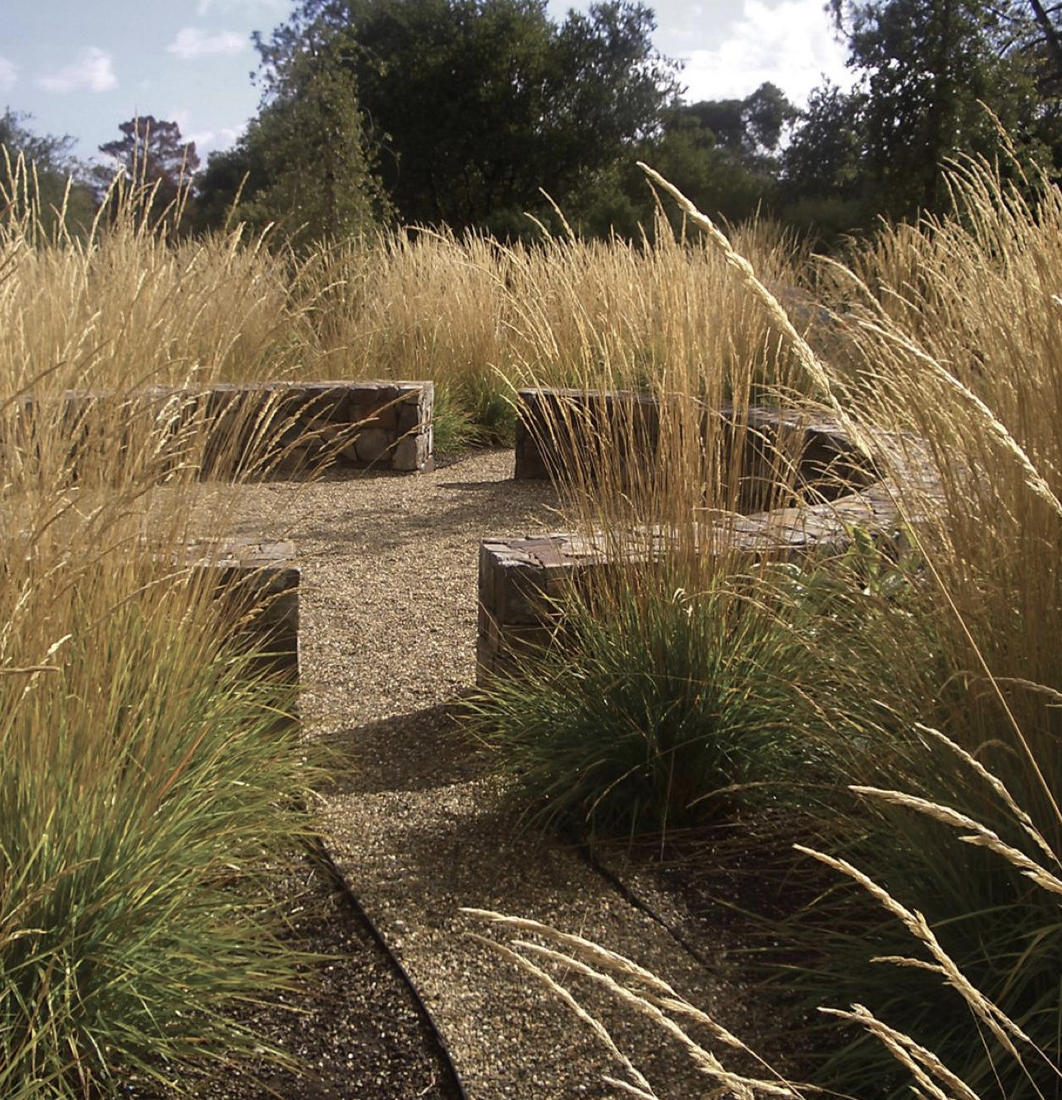



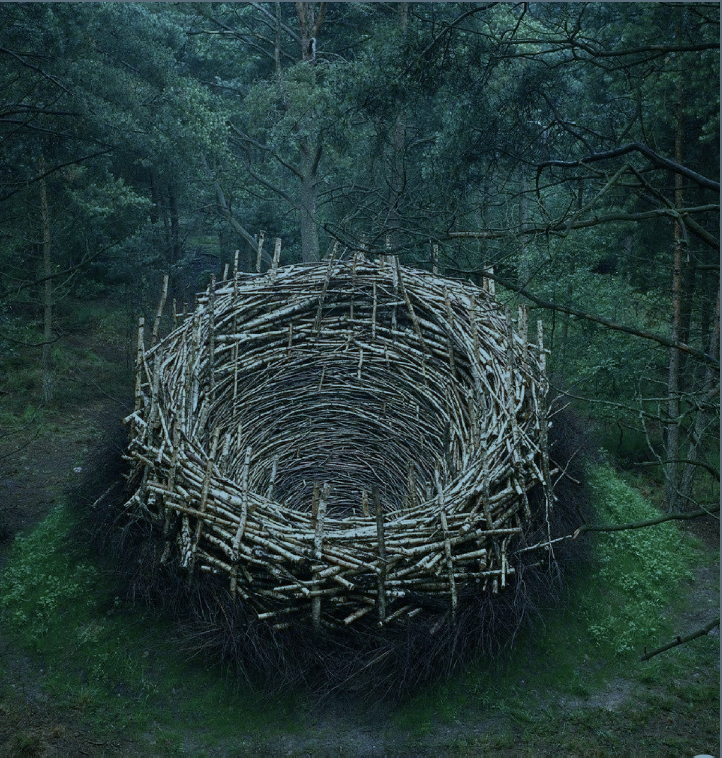
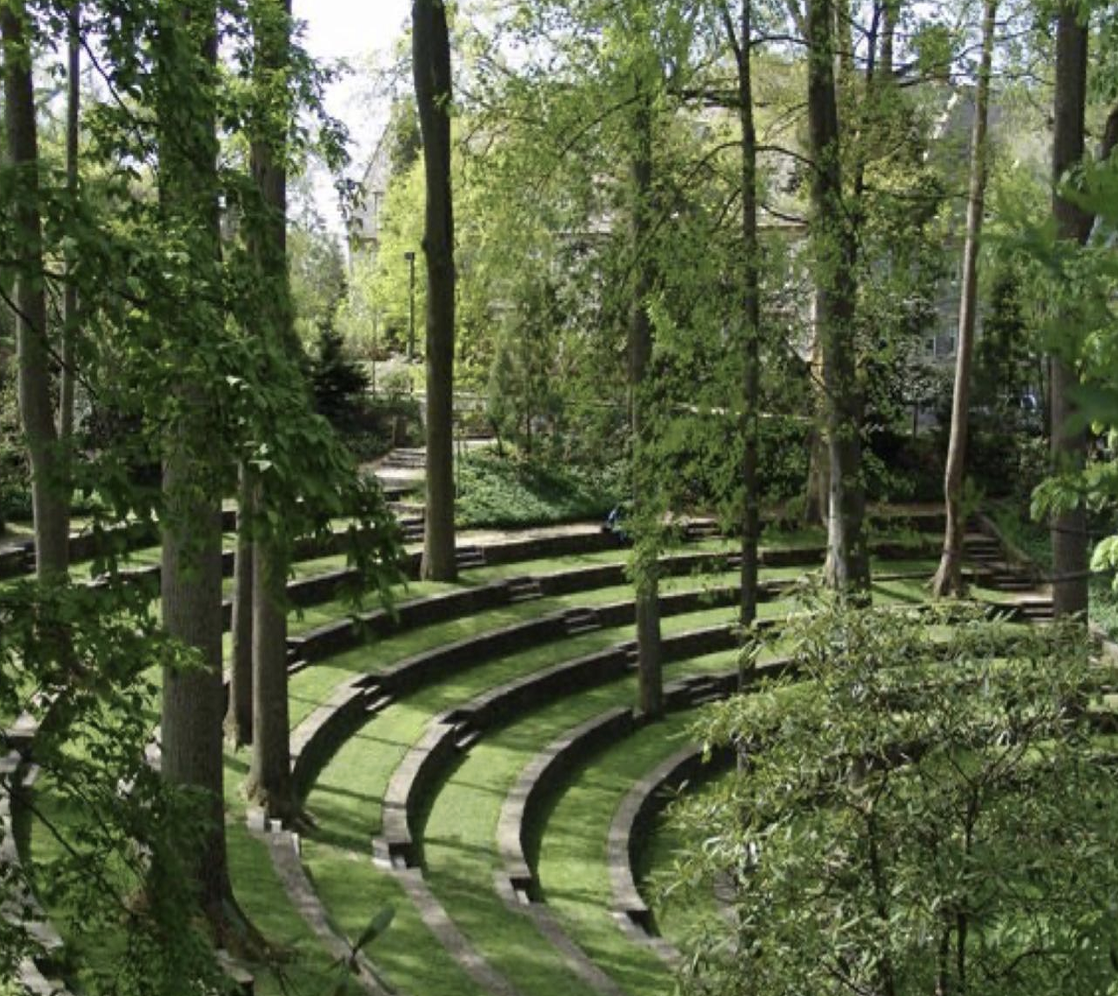


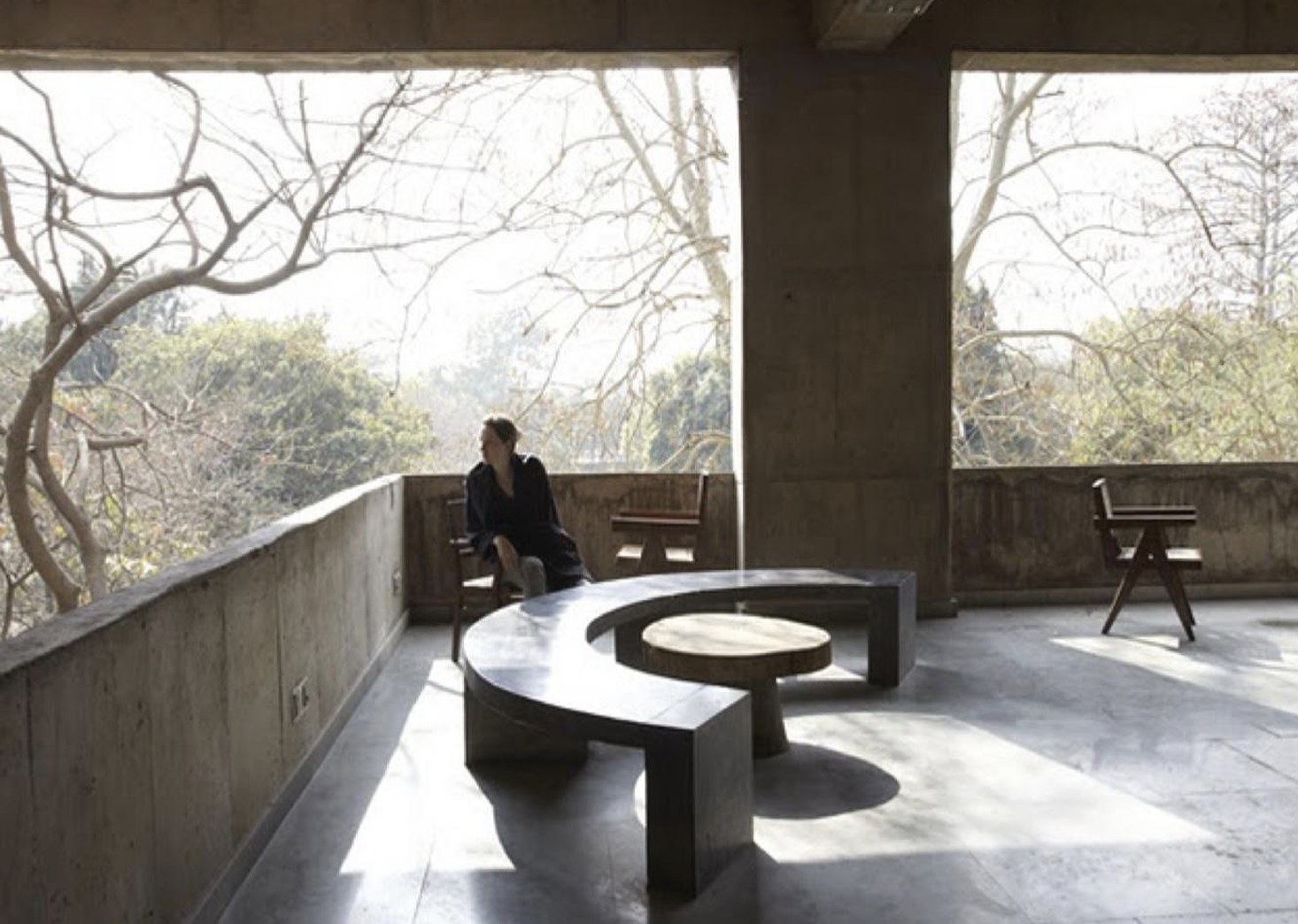



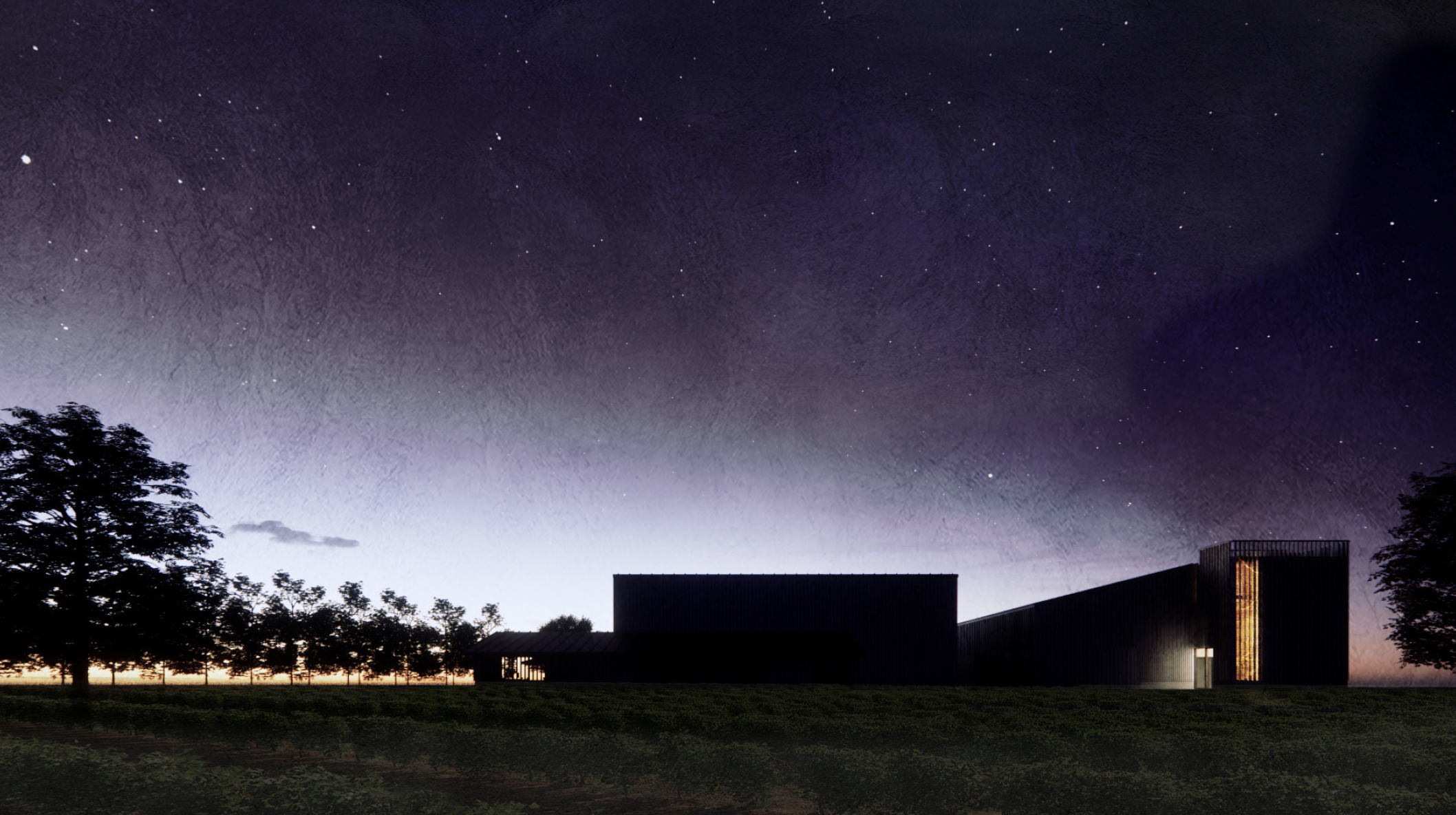
An Expression In Form
The new winery, designed by Frida Escobedo — the Mexico City–born architect celebrated in the New York Times as the first woman to design a wing at the Metropolitan Museum of Art and now co-leading the renovation of the Centre Pompidou in Paris — with interiors by Maca Huneeus, whose award-winning work includes the Flowers Winery, Faust Haus, and Quintessa, will stand at the center of the estate: a place where craft, nature, and community converge. The vineyard, replanted to organic and biodynamic Bordeaux varietals, will be the living foundation of Favia’s wines. The estate farm and culinary program, guided by Napa’s top Chefs, will celebrate Napa’s agricultural roots in every season.

Meet Frida
Escobedo
Frida Escobedo is a Mexican architect known for her quietly powerful, materially driven work that explores time, light, and the relationship between architecture and its cultural context.
Her work spans public installations, cultural institutions, and private residences, often distinguished by the use of local materials, modular systems, and layered geometries that respond to both environment and history. She gained international recognition for the Serpentine Pavilion 2018 in London—becoming the youngest architect at the time to design the pavilion—where she used a lattice of cement tiles to create shifting patterns of light and shadow inspired by Mexican courtyards.
Escobedo’s work frequently engages with cultural memory and public space, as seen in projects like the renovation of La Tallera in Cuernavaca, where she reoriented monumental murals to reconnect the site with the surrounding community. Her approach is both contemporary and rooted, blending modernist clarity with vernacular influences.
In 2022, she was selected to design a new wing for the The Metropolitan Museum of Art in New York City—a landmark commission that further established her as one of the most influential architects of her generation.
Escobedo’s work is defined by restraint and intention, creating spaces that feel at once timeless and deeply connected to place.